Normalizing failure in art for children and teens is easily nailed by shifting the focus from the final product to the benefits of the creative process, allowing young creators to treat mistakes as the journey rather than personal defeats. Which is a super wordy way of saying failure is good and makes kids better — so let them crash and burn every once in a while, will ya?
In a world of filtered perfection and instant gratification, the undo button has become a bit of a double-edged sword. For the younger generation — Gen Alpha and the tail end of Gen Z — the pressure to produce something “post-worthy” can be paralyzing. When every brushstroke feels like it has to be a viral masterpiece, that sucks.
As modern parents, our job is to provide the psychological safety net to fail spectacularly, loudly, and often.
Crash and burn, crash and burn!
The Cost of Perfectionism (And Your Wallet)
Art’s always been about trial and error, but it feels like now more than ever there’s a prevalent fear of wasting. Time, materials, algorithmic-positive publishing timeslots, you name it. And it’s not all unfounded as parents worry about the cost of professional-grade canvases, while kids are right to worry about the ecological footprint of starting over.
This environmental and financial anxiety creates a scarcity mindset that, when left unchecked, can be detrimental — especially when alternative solutions to these issues exist. Children end up only taking risks they are certain will pay off, which is essentially the enemy of art. True innovation lives in the messy middle — the risks that might end up in the bin, but leave the brain much sharper than they found it.
Low-Stakes Tools for High-Stakes Creativity

The solution isn’t to stop creating; it’s to lower that cost of failure until it’s practically invisible. We’ve found that when the cost of a mistake is near zero, the quality of exploration skyrockets. This is why we’re obsessed with tools that bridge the gap between imagination and reality without the heavy price tag:
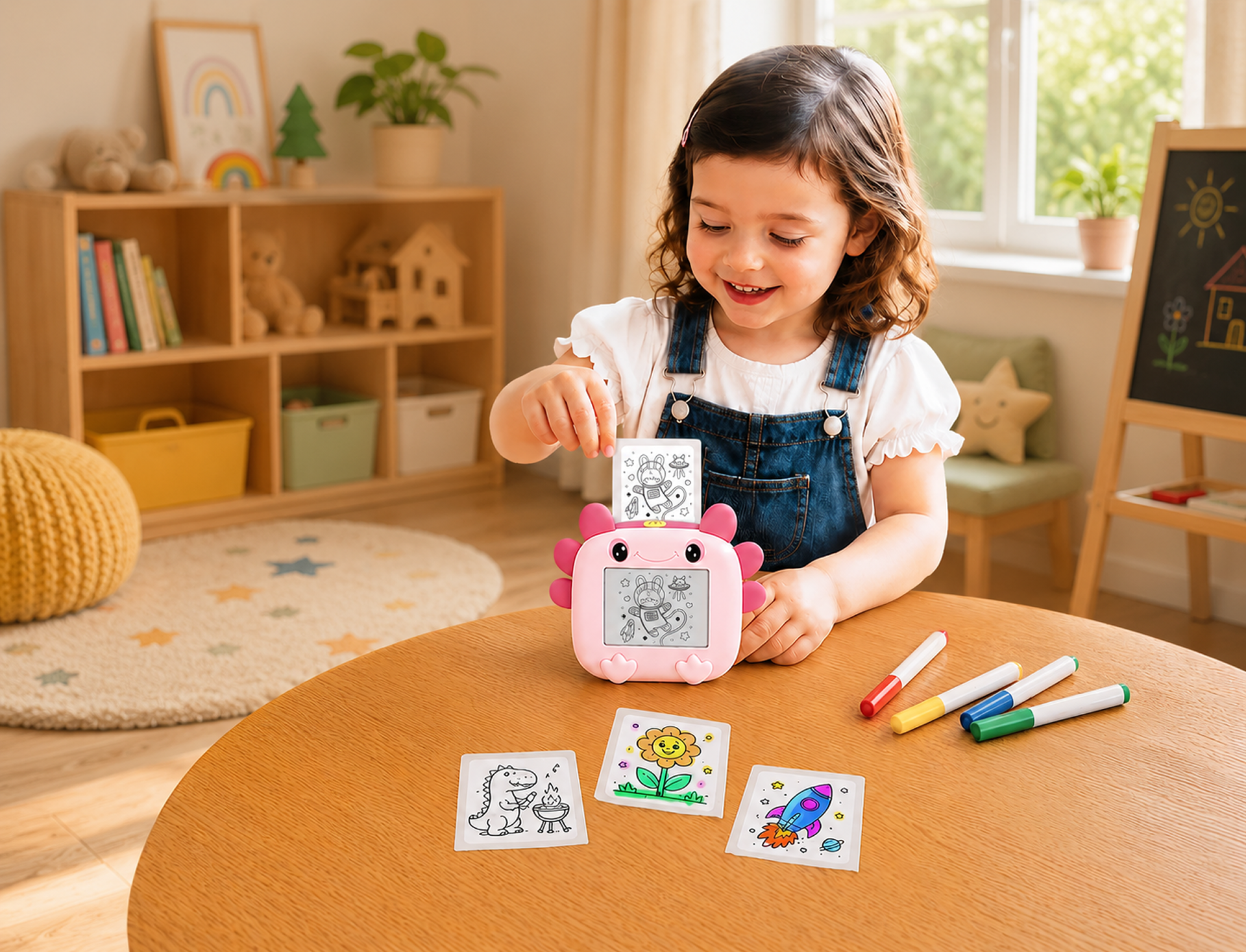
- Digital Sketch Boards: A digital sketch board removes the physical permanence of my kid’s truly bad drawing of my hard-fought attempt at a mustache. There is no wasted paper, no dried-out markers, and no smudge marks. Just the soul-crushing wonder on my side if that’s truly what my face looks like.
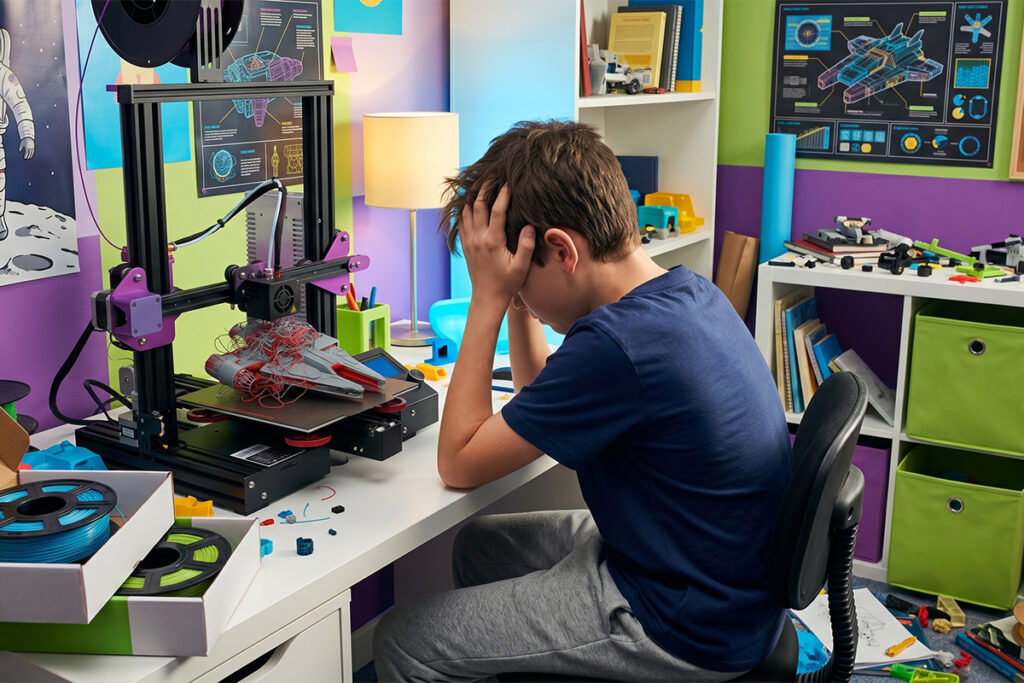
- 3D Printing Pens: 3D printing can feel like rocket science, but a handheld 3D pen turns it into a tactile, improvisational experience. Because 3D filament is remarkably affordable and often made from biodegradable materials like PLA, a wonky dragon isn’t a financial or ecological disaster. The Wonky Dragon is a pretty good kids’ book title anyway.
- Digital Cameras: A kid-friendly digital camera allows them to find their perspective without the anxiety of wasting film. They might take 500 blurry photos to get one stunning shot of a sunbeam, and that’s exactly the point.
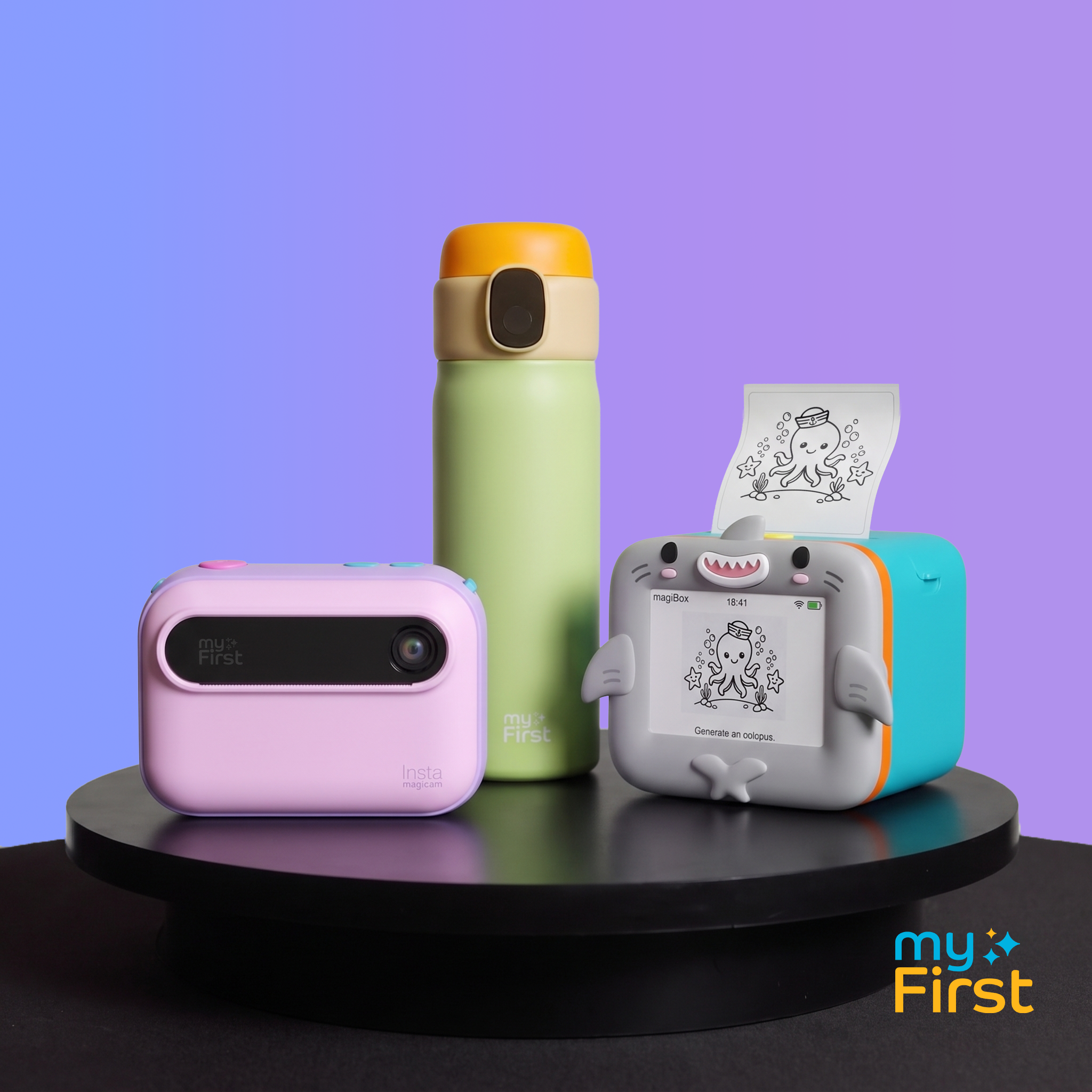
- Instant Print Cameras: If you find a brand like myFirst that prices quality in an affordable manner, it makes experimentation that much easier. Take a look at our brand new Insta Lux.
When a child realizes that an absolute garbage attempt at a 3D sculpture costs less than a piece of fruit, the fear of the blank page evaporates. They start to understand that “better” is a moving target, and the only way to hit it is to keep firing. We can all learn something from bad art — which begs the question if it truly is bad at all.
Redefining What Better Means for the Modern Teen
We need to have a real talk with our teens about what “better” actually means. In the age of AI-generated imagery, technical precision is no longer the only metric of value. Art is now about voice, perspective, and — most importantly — resilience.
A teen who spends three hours failing to get the proportions of a hand right is actually “better” than just lucking into it right on the first try. Why? Because building the neural pathways associated with grit and problem-solving is part of life. Failure in art is just a draft. Whether they are using a sketch board or a 3D pen, they are learning the most important skill for the future: iterative thinking.
How to Support Their Failures
As parents, our reaction to a failed project dictates the child’s next move. Instead of the classic quick response of them doing it better next time, try exploring with them about what worked and what didn’t. Offer advice and guidance. Explain why it was probably the mustache and how it’s imperative to get it to look much better, because it’s what makes you feel like a man the most and otherwise a drawing will never fully look like you without it.
Move the conversation from the aesthetic to the technical. When we normalize the mess, we make room for the magic.